Generative Engine Optimization (GEO): The New SEO Skill Every Business Needs in 2026
Deep dive into structured data, citations, and AI visibility tactics for Generative Engine Optimization.
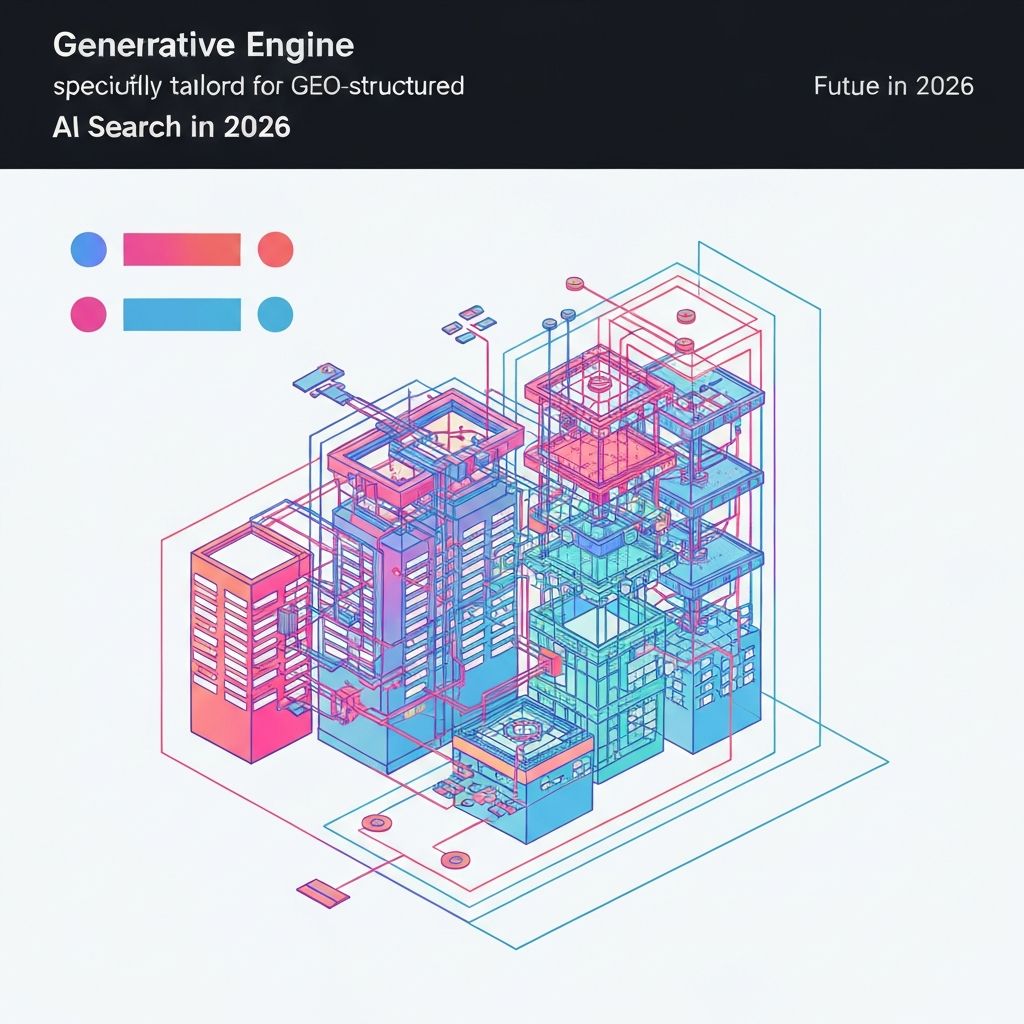
Generative Engine Optimization (GEO) is the new frontier in search visibility. While traditional SEO focuses on ranking in search results, GEO focuses on getting cited by generative AI systems. These are different skills requiring different tactics.
What Is Generative Engine Optimization?
GEO is the practice of optimizing content to be discovered, evaluated, and cited by large language models and generative AI systems. When someone asks ChatGPT, Claude, or Gemini a question, GEO-optimized content is more likely to be cited as a source.
The Core Elements of GEO
1. Structured Data Implementation
Implement comprehensive schema.org markup including Article, Author, Organization, and specialized schemas for your content type. AI systems use structured data to understand and evaluate content.
2. Citation Building
AI systems are trained on massive datasets that include mentions across the web. Get cited by other authoritative sites in your industry. Create content worth citing.
3. Authoritative Backlinks
Links from authoritative, relevant domains signal importance to both traditional search and AI systems. Focus on quality backlinks over quantity.
4. Author Authority
Build your author profile across the web. Create author pages with credentials. Establish yourself as an expert that AI systems recognize and cite.
5. Original Research & Data
Create original research and data visualizations. These are inherently citation-worthy and AI systems prioritize original sources over derivative content.
GEO Content Optimization Checklist
- Implement Article schema with author, publish date, and update date
- Include author credentials and authority signals
- Create comprehensive, original content
- Link to primary sources and authoritative references
- Include data, statistics, and original research
- Maintain consistent author branding
- Keep content updated with latest information
- Create content worth citing in AI responses
GEO vs Traditional SEO: Key Differences
Traditional SEO: Optimize for ranking position in search results
GEO: Optimize for inclusion and citation in AI responses
Traditional SEO: Focus on keywords and search volume
GEO: Focus on expertise and authoritative sources
Traditional SEO: Build links from relevant sites
GEO: Get cited as a primary source by authoritative sites
Measuring GEO Success
- Monitor citations in AI responses
- Track mentions across the web
- Measure referral traffic from AI systems
- Analyze which content types get cited most
- Monitor author mentions and citations