SEO vs Generative Engine Optimization: What Changes and What Stays the Same
Compare classic SEO with GEO and see how to balance rankings, citations, brand authority, structured content, and measurable business outcomes.
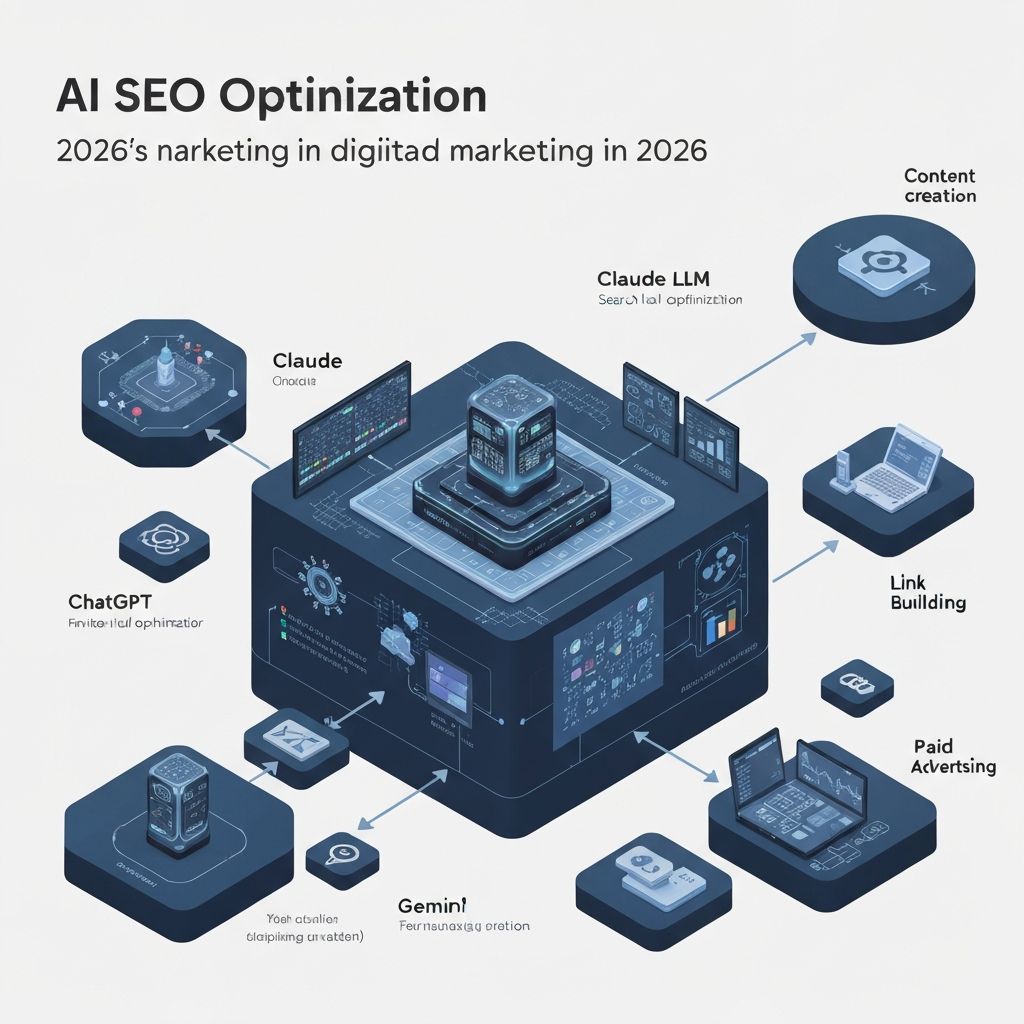
SEO and generative engine optimization share the same goal: help the right people discover a credible business. The difference is the interface. Traditional SEO earns visibility through rankings and snippets; GEO also considers whether an AI system can understand, trust, summarize, and cite your expertise.
What stays the same
Technical health, crawlable pages, search intent, helpful content, internal linking, structured data, digital authority, and a strong user experience remain foundational. A poorly built site will not become visible simply because the search interface changed.
What changes
GEO places greater emphasis on entity clarity, direct answers, evidence, consistency, original insights, and content that can be accurately quoted. Businesses should explain who they serve, what they do, how they do it, and why their claims are credible.
How to split your effort
Maintain SEO hygiene and commercial landing pages while adding question-led resources, expert authorship, case studies, and first-party data. Use one content system rather than creating a separate article factory for every new AI platform.
Use business outcomes as the tie-breaker
Rankings and citations are signals, not the final objective. Prioritize the content that improves qualified discovery, brand consideration, assisted conversions, and sales conversations.